
with the Armrock Constructions team — 450+ bathroom renovations completed across the Gold Coast
Quick answer: Carpentry is the trade responsible for the structural and finishing timberwork in a bathroom renovation — from wall framing and noggin installation for fixture support, through to vanity carcasses, shelving, skirting and door hanging. It underpins almost every other trade in the room, which is why poor carpentry is one of the most common causes of bathroom renovation defects.
Most homeowners planning a bathroom renovation focus on tiles, tapware and the vanity they’ve seen on Pinterest. Carpentry rarely gets a mention — yet it’s the trade holding the whole project together, literally. Every fixture that needs to be screwed, hung or supported relies on carpentry work being done correctly before waterproofing, tiling or plumbing even begins.
On Gold Coast bathroom renovations — where older housing stock, non-standard wall cavities and varying floor levels are common — carpentry expertise becomes even more critical. This article breaks down exactly what carpentry involves in a bathroom renovation, why it matters, and what to check before signing off on a builder.
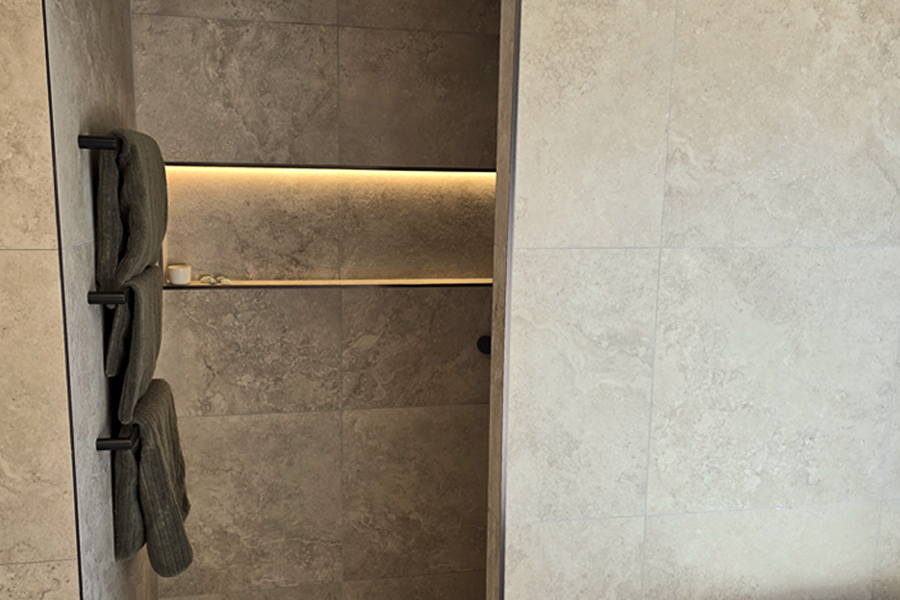
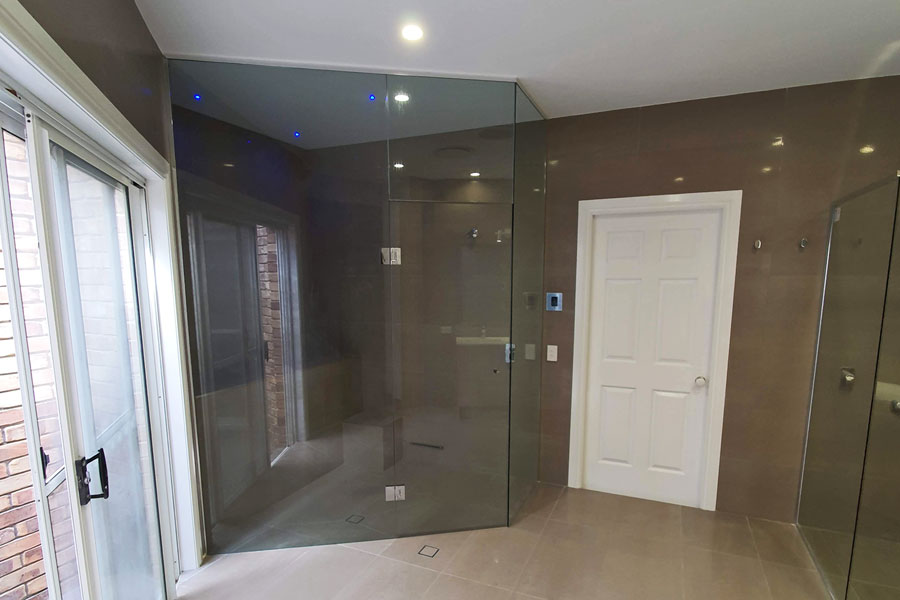
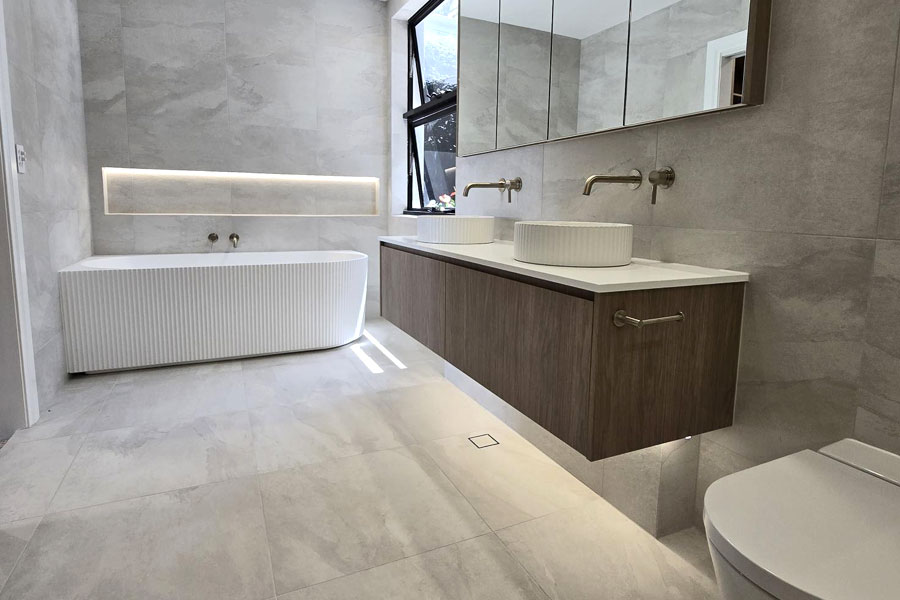
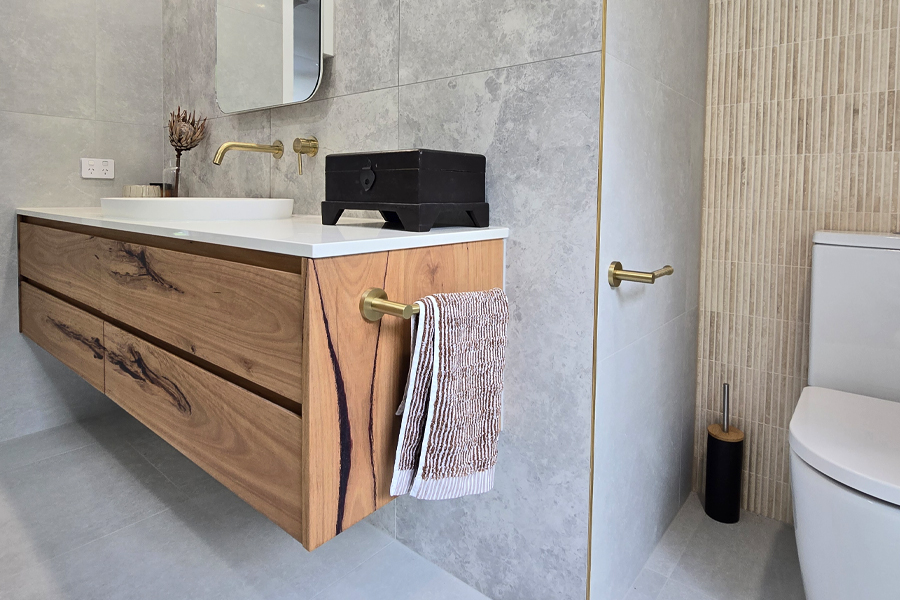
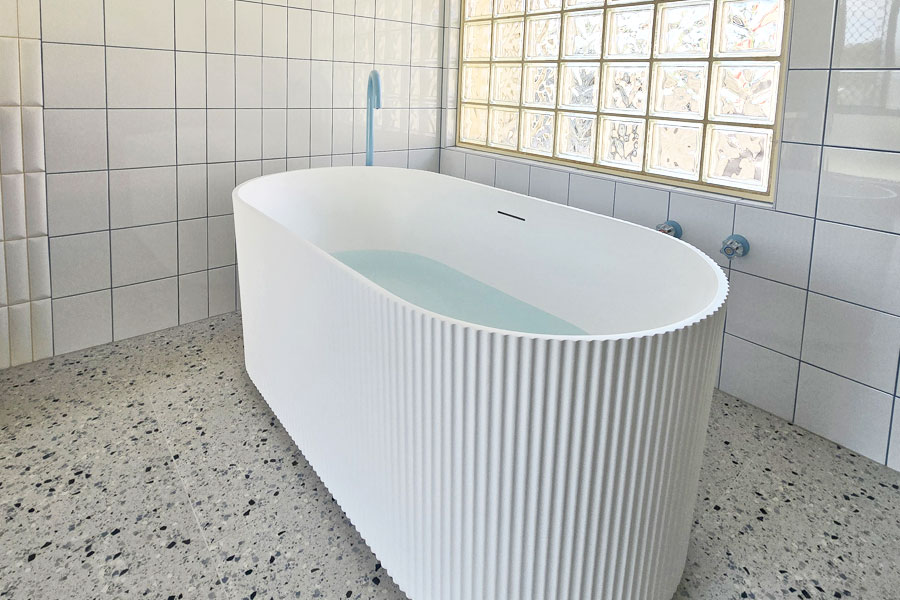
What Carpentry Actually Covers in a Bathroom Renovation
Carpentry in a bathroom context spans structural, rough-in and finishing work:
- Wall framing and noggins — timber blocking installed inside stud walls to give screws something solid to bite into for towel rails, vanities, mirrors, grab rails and shower screens
- Sub-floor work — levelling, packing or replacing damaged flooring, particularly in older homes where timber sub-floors have moved or rotted around the original wet area
- Door hanging and jamb fitting — including relocating doors where a renovation changes the room’s layout
- Vanity carcass installation — building or fitting the cabinet box before benchtops and basins go on
- Skirting, architraves and trim — the finishing details that give a renovation its polished look
- Niche and shelving builds — framing recessed shower niches or built-in shelving before waterproofing and tiling cover the timberwork
Each of these steps happens at a different stage of the renovation, which is why sequencing carpentry correctly is one of the most important jobs a project manager does.
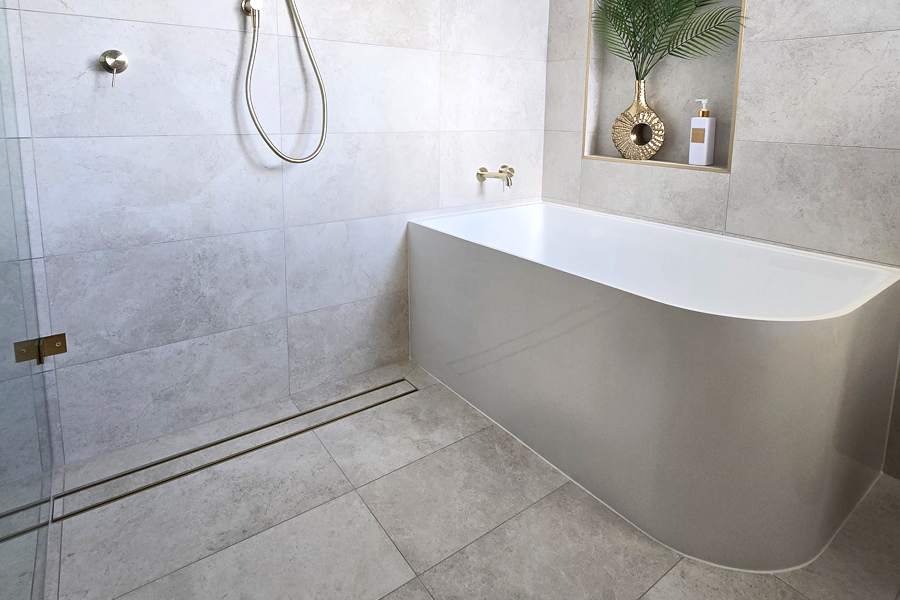
Renovation Trade Co-Ordination
Armrock Constructions delivers a smooth, on-schedule bathroom renovation. Rather than homeowners juggling separate bookings for plumbers, electricians, waterproofers, tilers and carpenters, Armrock manages every trade in-house as part of our all-trades project management service.
Each trade is scheduled in the correct sequence — carpentry and framing first, followed by rough-in plumbing and electrical, then waterproofing, tiling, and finally fixtures and finishing touches — so no one’s work undoes another’s. This single point of accountability means fewer delays, no chasing multiple contractors for updates, and a renovation that runs to the timeline you were quoted from day one.
Carpentry and Older Gold Coast Homes
Suburbs like Molendinar, Nerang and Southport have a high proportion of established homes built from the 1970s through the 1990s, and these properties present specific carpentry challenges. Timber-framed walls in older homes are often out of square, sub-floors have shifted with age, and previous renovations may have left framing that doesn’t meet current standards. A carpenter working on one of these homes needs to assess and often rebuild sections of the frame before any other trade can start — a step that’s easy for inexperienced renovators to underestimate when quoting a project.
Newer homes in areas like Hope Island or Pimpama generally have more standardised framing, but even here, custom features like feature tile walls, floating vanities or recessed niches require precise carpentry to get right the first time.
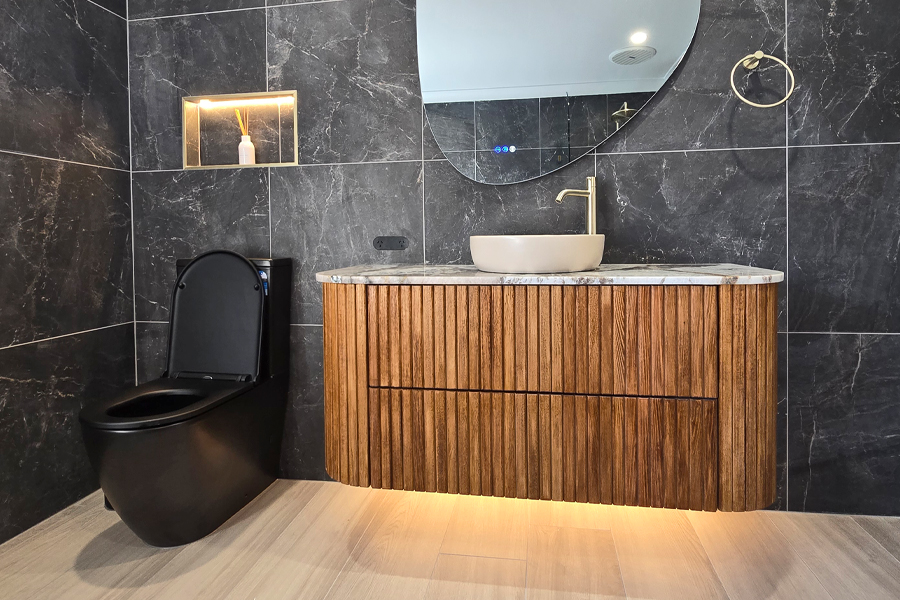
Carpentry’s Role in Custom Vanities and Storage
Carpentry is what turns a vanity concept into a custom-built piece that fits the room exactly. For homeowners wanting custom vanities rather than an off-the-shelf unit, a carpenter builds the carcass to precise measurements, accounts for plumbing penetrations, and ensures the unit is level and securely fixed to wall blocking rather than resting on tile alone.
This matters structurally — a vanity fixed only to tile and adhesive, without timber blocking behind it, is far more likely to work loose over time, especially with a stone or engineered-stone benchtop adding weight.
The same applies to built-in shelving, linen presses and recessed storage niches, all of which need to be framed before waterproofing and tiling lock the shape of the room in place.
What to Look for in a Renovation Team
Not all carpentry is equal, and bathroom carpentry specifically requires an understanding of wet-area requirements that general residential carpentry doesn’t always cover. When you work with Armrock Constructions, we ensure a clear trade sequence to maximise efficiency; experienced team with 450+ renovations completed; and licensed & qualified carpenters on the job.
At Armrock, carpentry is one of the trades managed directly within our all-trades project management process, meaning the same team accountable for the framing is accountable for the finished result.
Bathroom Renovation Carpentry FAQ
Yes. Even a simple refresh that keeps the existing layout typically needs at least some carpentry — new blocking for a heavier vanity, a replaced door jamb, or new skirting to match updated flooring. Full renovations almost always involve structural carpentry.
Rough-in carpentry (framing, blocking, sub-floor prep) generally takes one to three days depending on the extent of the work, while finishing carpentry (skirting, trims, door hanging) happens near the end of the project and typically takes a day or two.
Yes. Missing or poorly placed blocking is one of the most common causes of loose vanities, towel rails and grab rails pulling out of the wall after installation. Structural sub-floor issues left unaddressed can also lead to tile cracking and waterproofing failure down the track.
For structural framing changes, yes — a licensed carpenter is required under Queensland building regulations. A fully licensed, all-trades builder removes the guesswork.
Reputable builders include carpentry as part of a comprehensive renovation quote rather than as a hidden extra. It’s worth confirming this upfront, as some quotes only account for visible finishes and leave structural carpentry as a variation cost later.
Ready to Renovate?
Carpentry is the foundation every other part of your bathroom renovation depends on. If you’re planning a renovation on the Gold Coast, talk to a team that manages carpentry, waterproofing, tiling and every other trade under one roof. Get in touch with Armrock Constructions for a bathroom renovation quote today.